Valeska Soares: Equivalentes, Fortes D’Aloia & Gabriel, São Paulo, Brazil,
In the first century, to be called a “rhyparographer” was an insult — a term coined by Pliny the Elder in Natural History to describe painters of humble, everyday things: fruits, flowers, vessels, game. Later softened to “rhopography,” the word came to signify the depiction of small, trivial subjects, long ranked beneath “megalography,” the heroic painting of grand historical deeds.
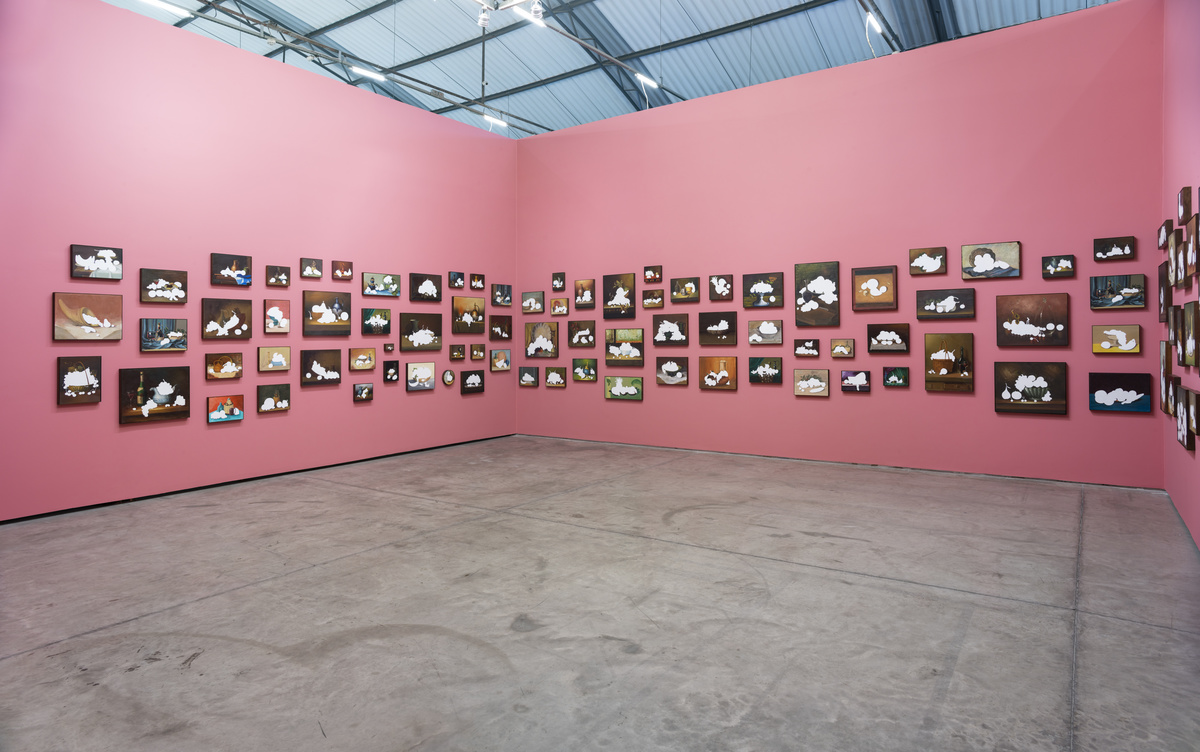
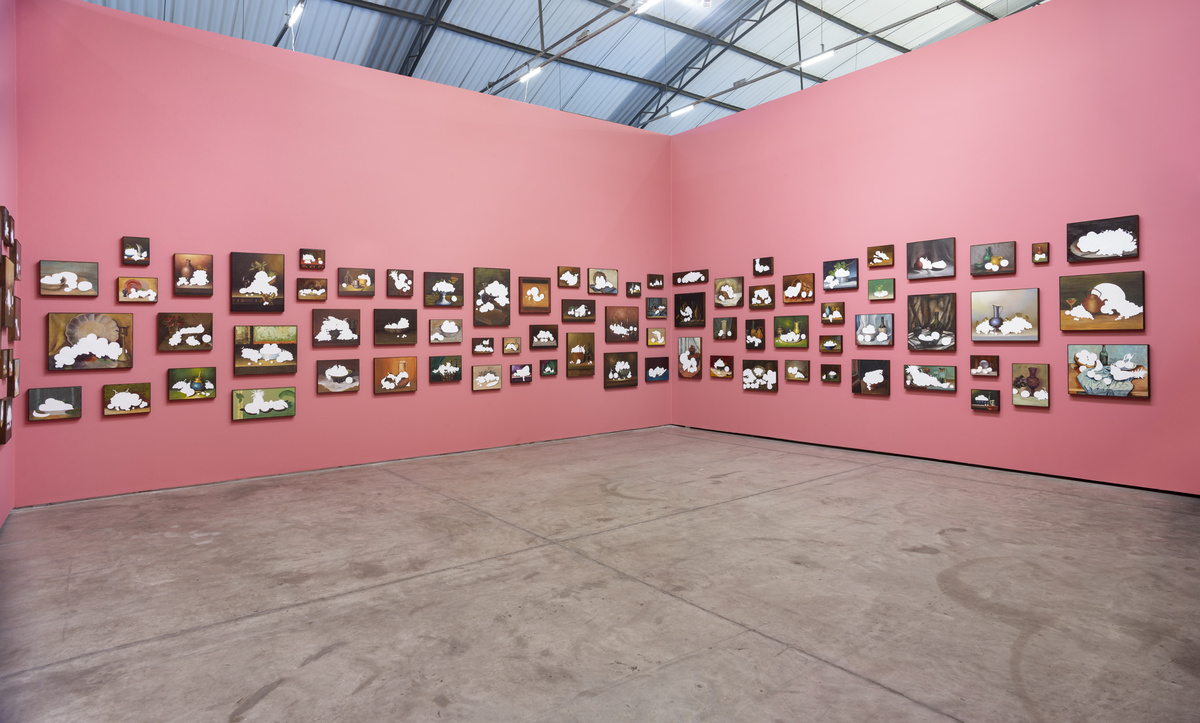
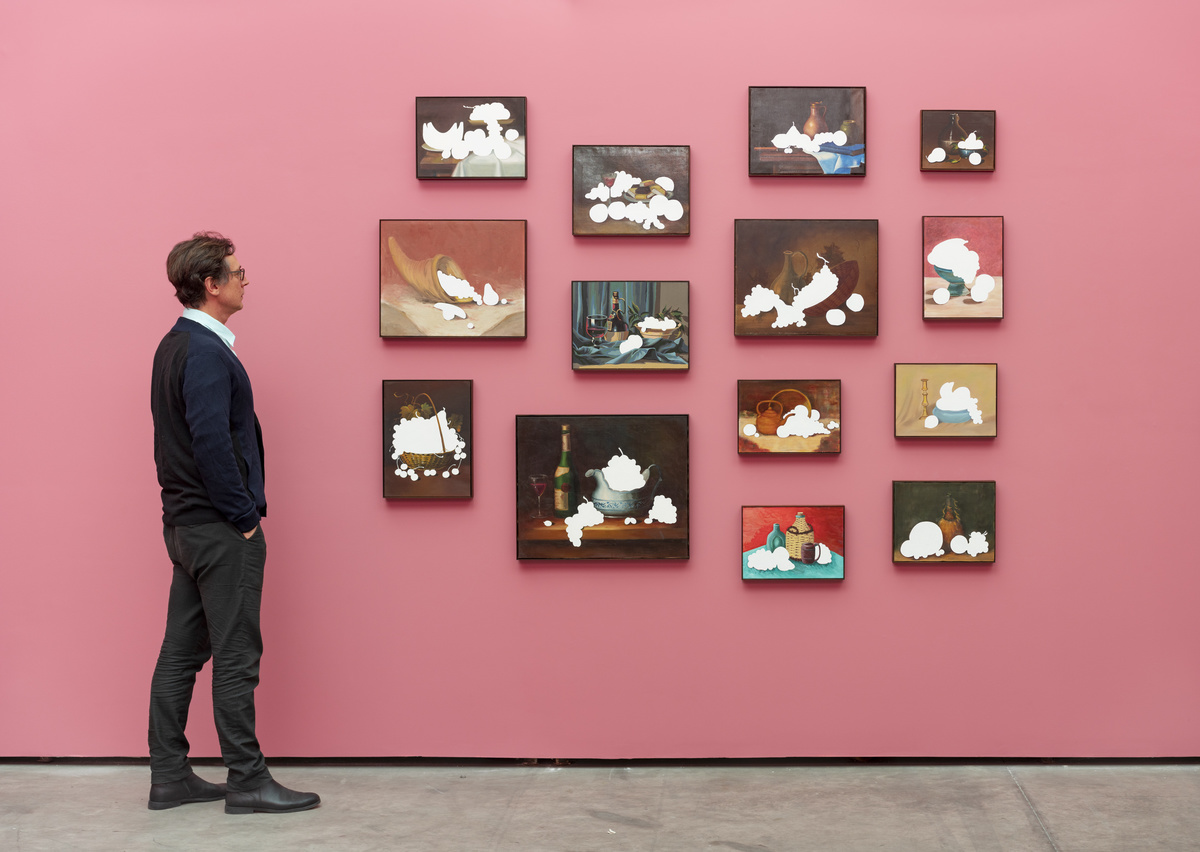
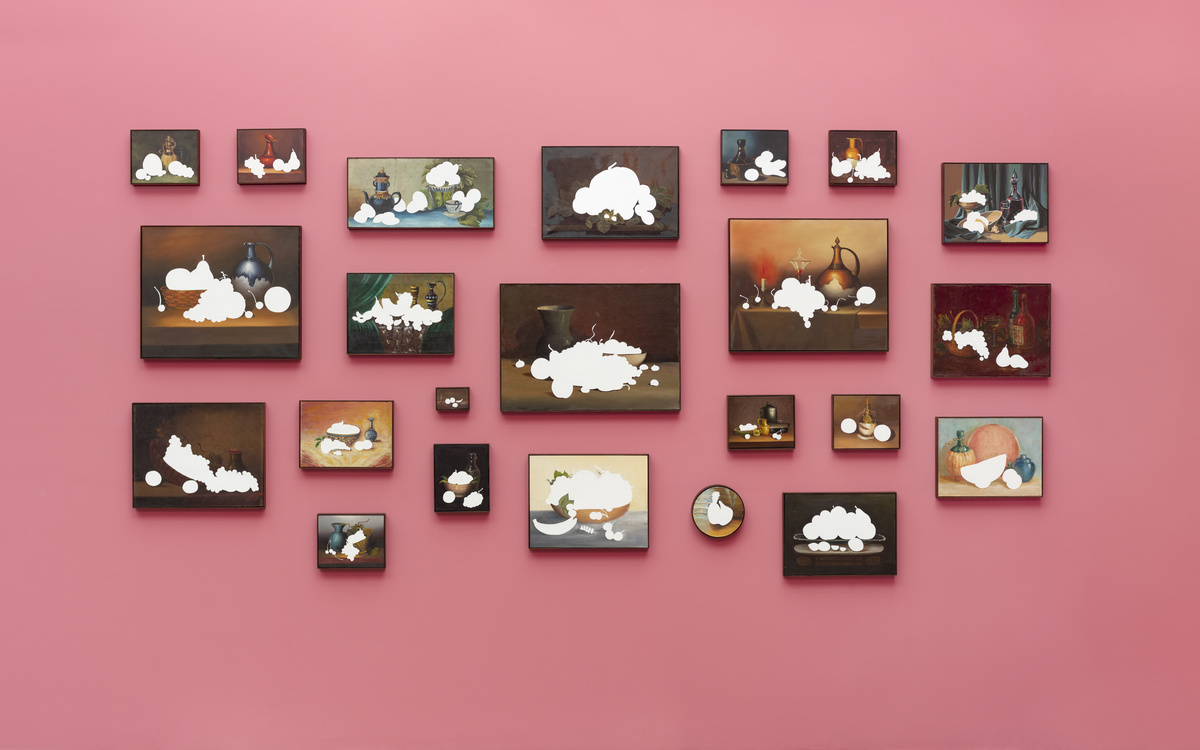
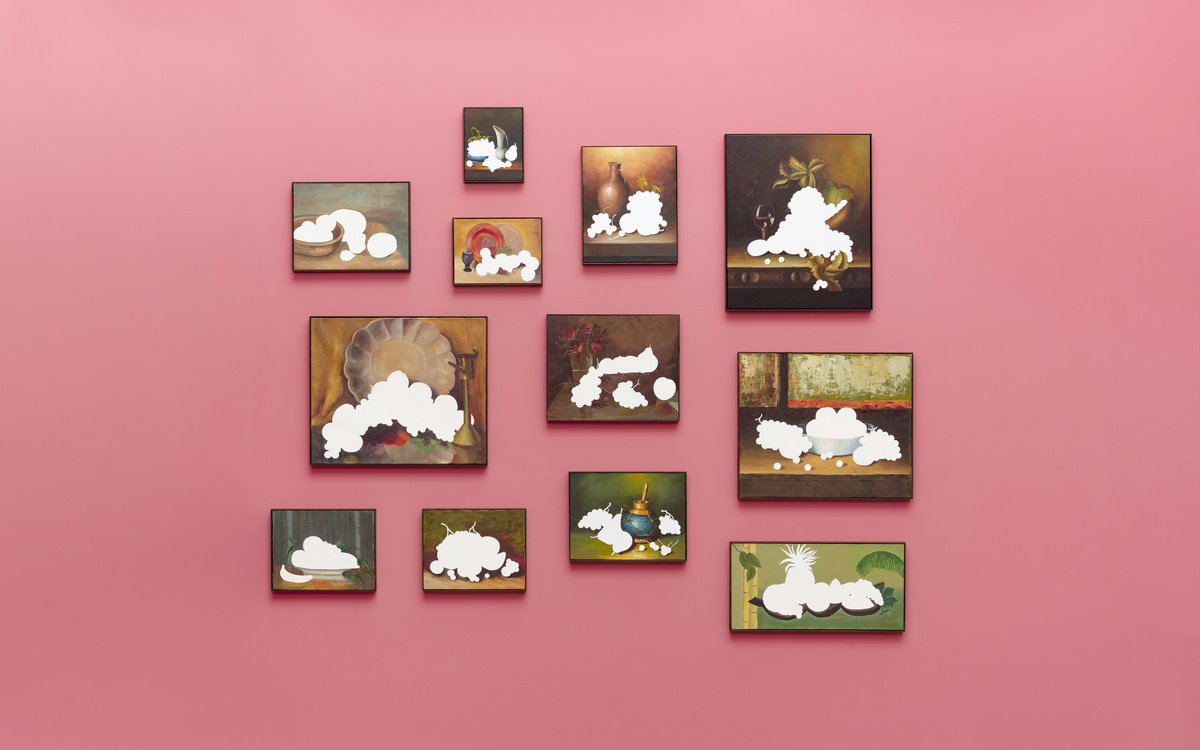
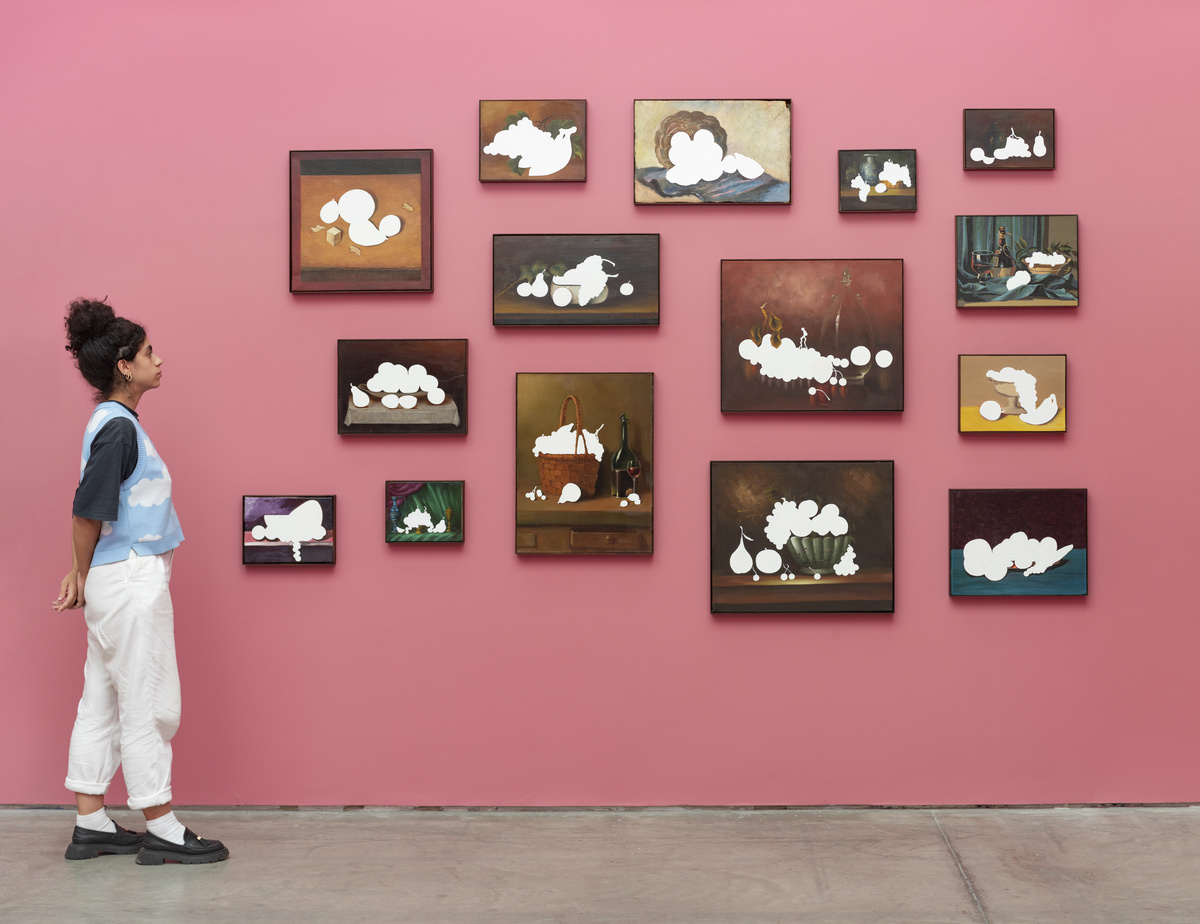
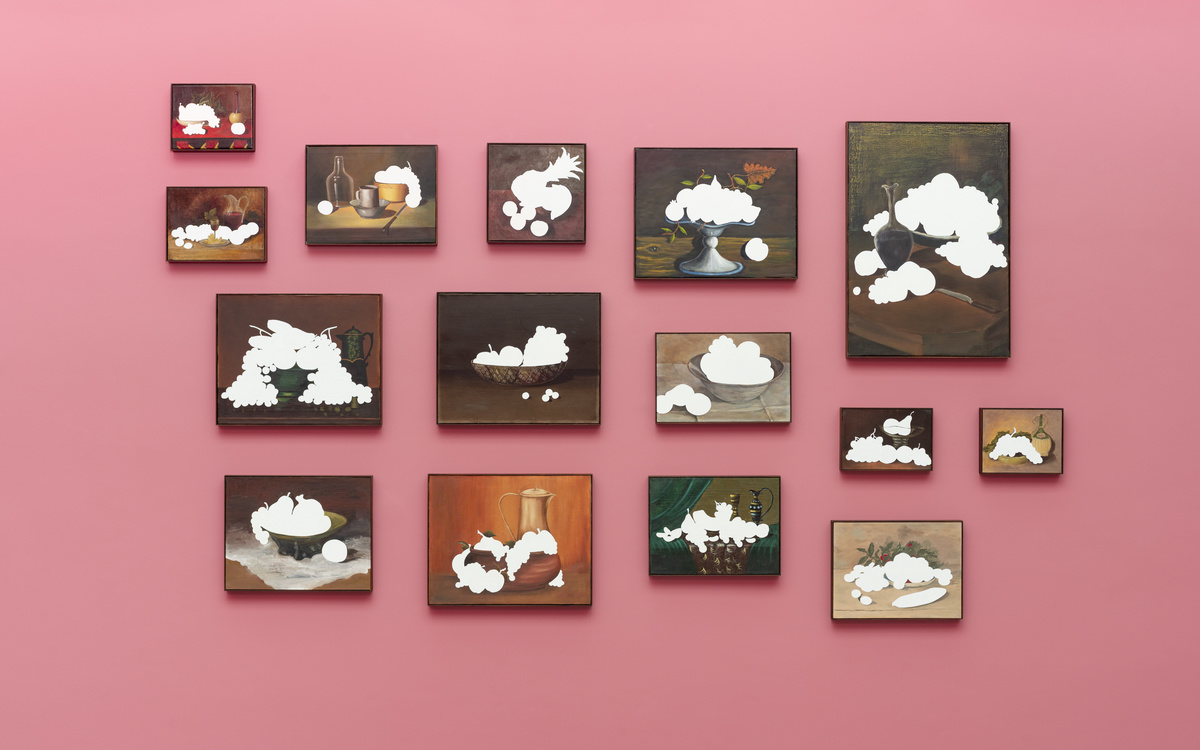
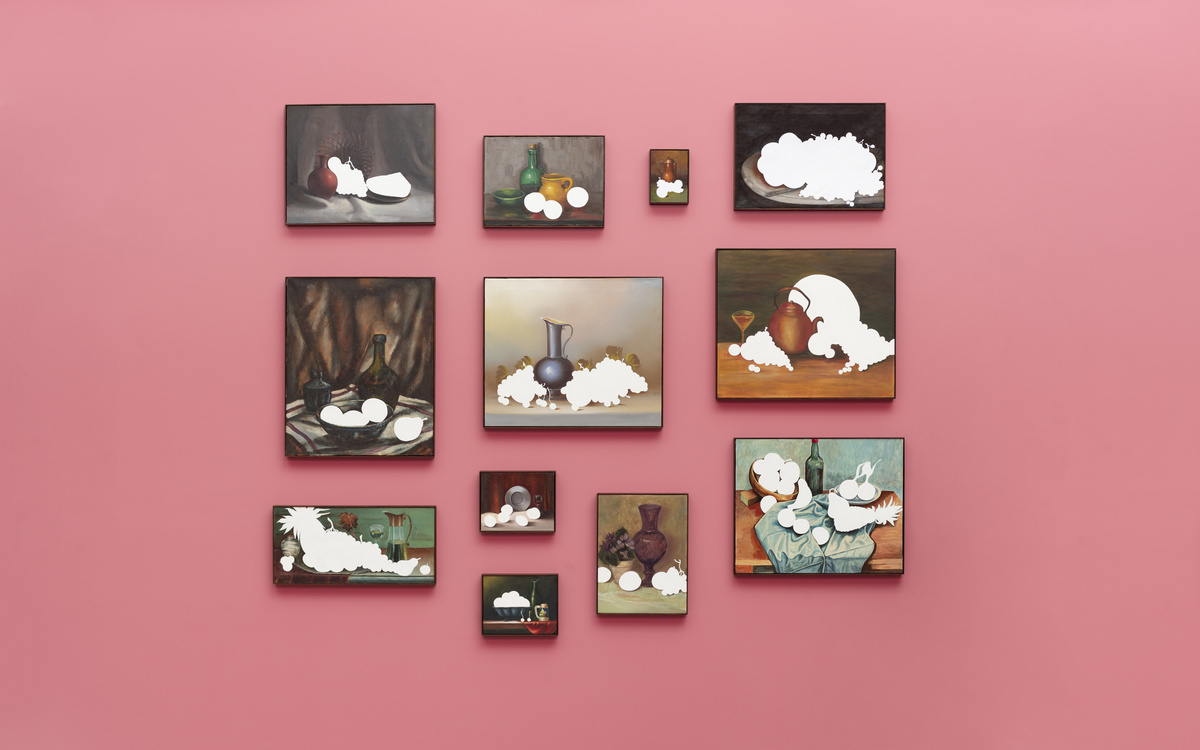
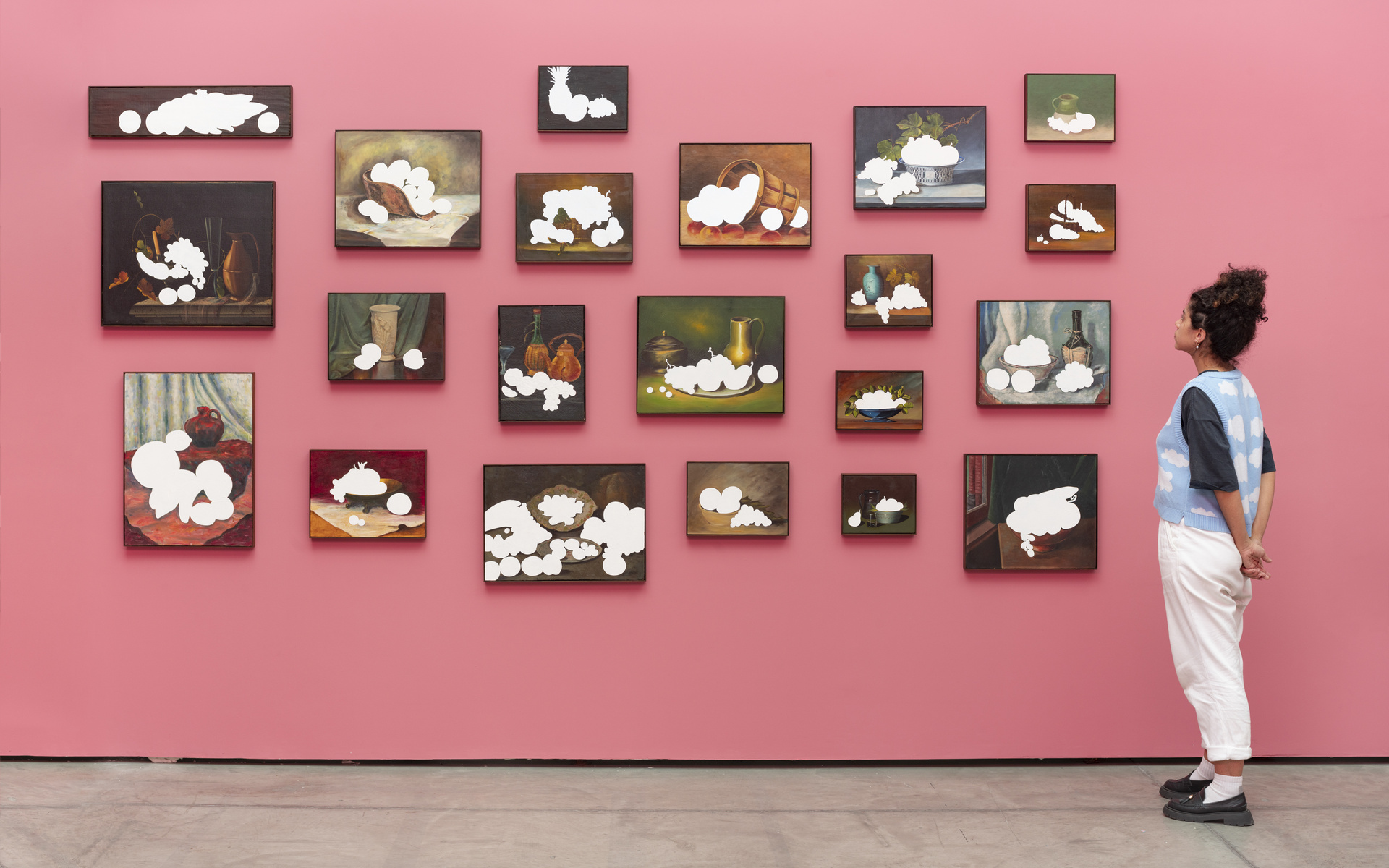
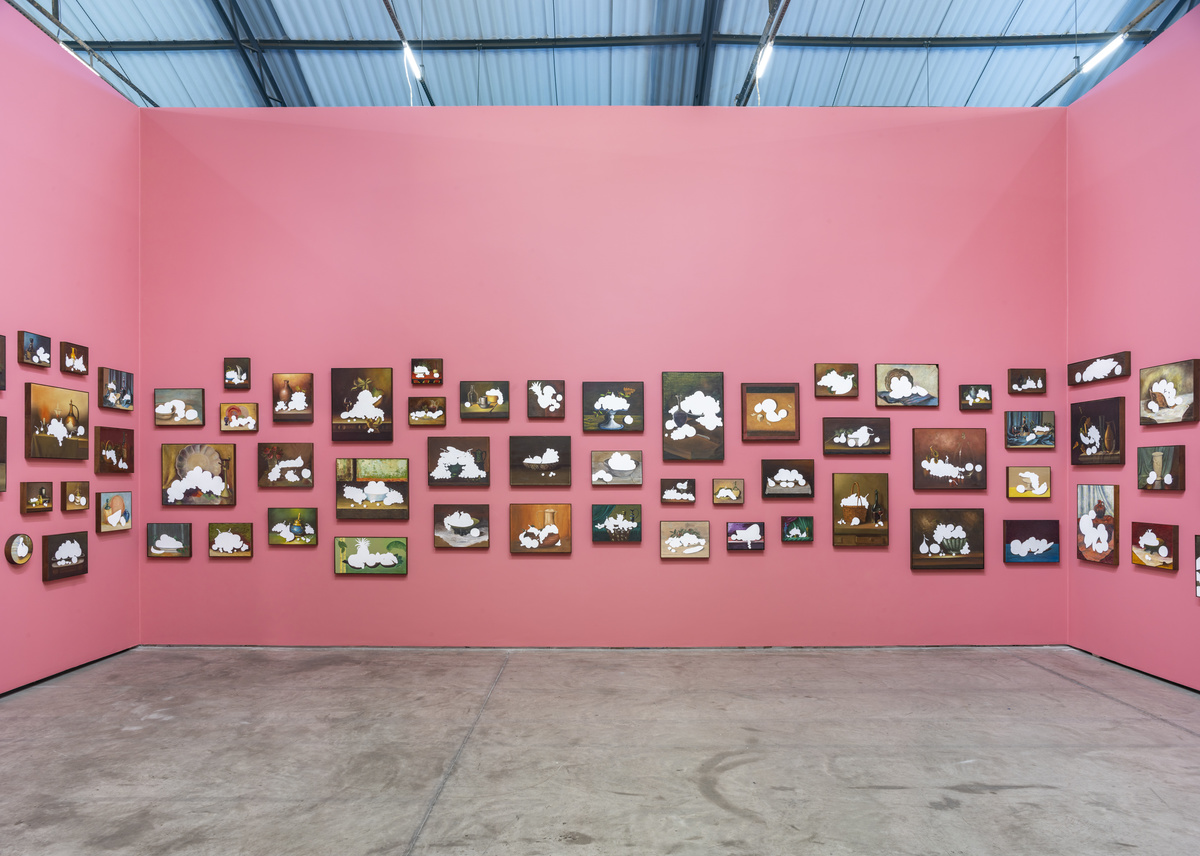
It is precisely this supposedly minor realm that Valeska Soares embraces. In Equivalents (2021), Soares gathers 119 anonymously painted still lifes collected around the world and subtly intervenes: the fruits vanish, leaving only pale outlines suspended between figuration and abstraction. What remains is absence — a quiet meditation on memory, loss, and desire.
It is precisely this supposedly minor realm that Valeska Soares embraces. In Equivalents (2021), Soares gathers 119 anonymously painted still lifes collected around the world and subtly intervenes: the fruits vanish, leaving only pale outlines suspended between figuration and abstraction. What remains is absence — a quiet meditation on memory, loss, and desire.
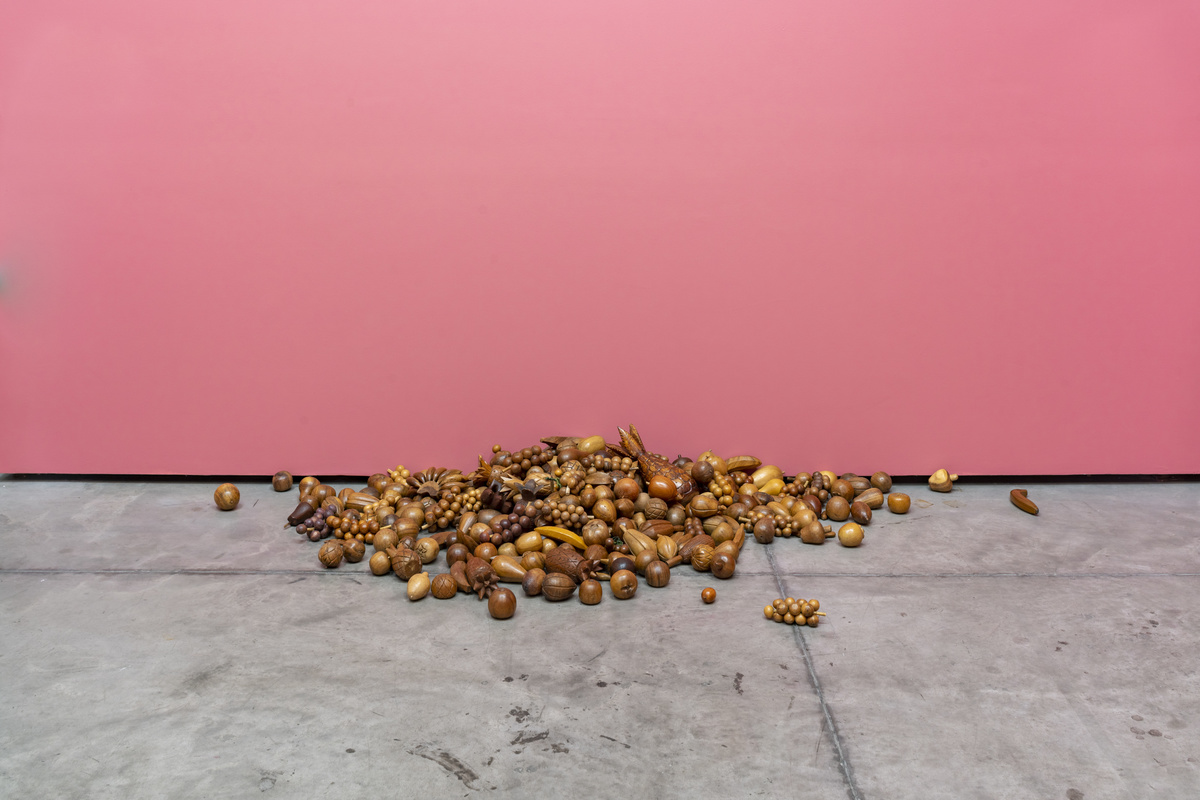
Scattered wooden fruits on the floor echo what has disappeared from the canvases, staging a choreography of lack and excess, interdiction and invitation. Refusing heroic narratives and linear histories, Soares turns to the intimate transformations that unfold not through battle, but within a basket — where objects accumulate time, gestures, and stories. In this suspended interval, the overlooked becomes luminous, and the “small” things that sustain life quietly take center stage.